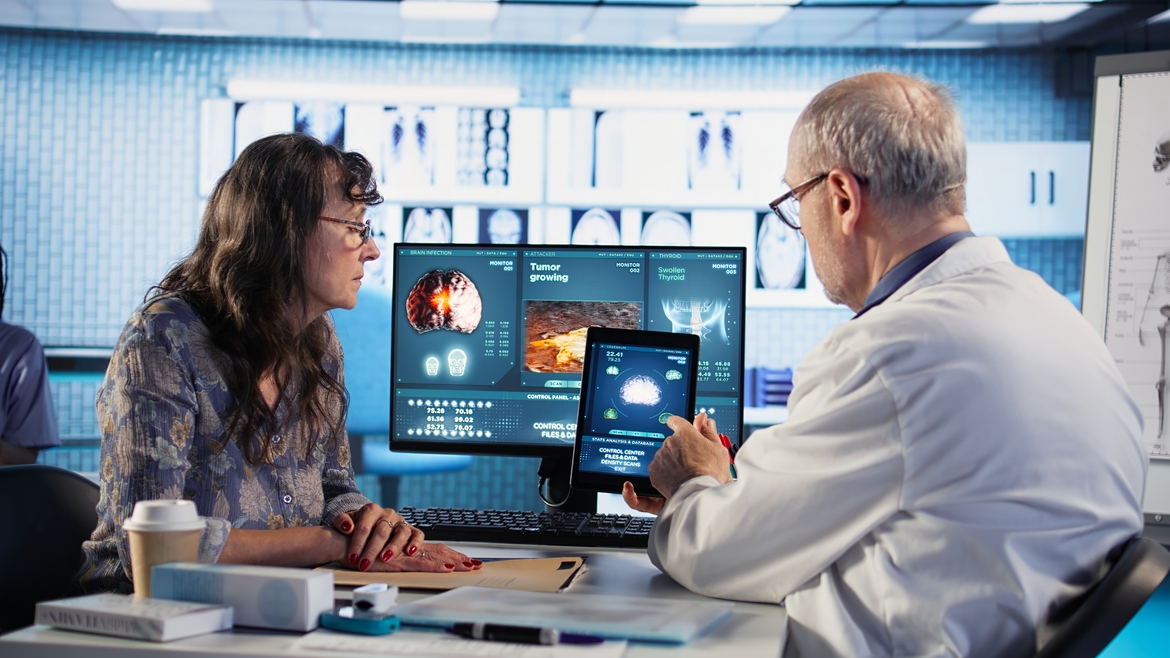


Telemedicine has quickly become one of the most transformative forces in modern healthcare. What began as a convenient option is now a core part of medical service delivery. With smartphones, high speed internet and digital communication tools becoming widely accessible, patients can now connect with healthcare providers instantly. Global telehealth use has increased more than sixty percent in the last few years, and the telemedicine market is projected to reach more than three hundred billion dollars by 2030. This rapid growth shows how virtual care is reshaping how people access health services.
Breaking Barriers and Expanding Access
One of the biggest reasons for the rise of telemedicine is its ability to remove traditional barriers. Traveling long distances, missing work and waiting for appointments often prevent patients from getting timely care. Telemedicine solves these issues with virtual consultations that can be done from home, making care easier and faster.
Studies show that more than seventy percent of common clinical visits can be handled through telemedicine. Many hospitals report that virtual consultations reduce wait times by almost fifty percent. This shift is creating a more responsive healthcare experience and helping people receive treatment sooner.
Supporting Rural and Underserved Communities
Telemedicine has been especially transformative for rural populations. Nearly forty percent of the world still has limited access to healthcare facilities. For many, the nearest specialist may be hours away. With virtual appointments, patients can connect with professionals regardless of their location.
In some regions, telemedicine programs have reduced travel for medical visits by more than sixty percent and improved early diagnosis rates by almost thirty percent. This reduces the burden on both patients and healthcare systems while improving health outcomes in underserved areas.
Convenient Care for Chronic Conditions
Chronic diseases account for almost seventy percent of global healthcare costs. For patients managing diabetes, hypertension or heart conditions, frequent checkups are essential. Telemedicine makes this process easier and more consistent.
Wearables and remote monitoring tools track:
- heart rate
- blood sugar levels
- oxygen levels
- blood pressure
These devices transmit real time data directly to doctors. Research shows that remote monitoring can reduce hospital readmissions by up to twenty five percent and improve medication adherence by nearly thirty percent. This leads to better long term health management.
Stronger Patient Engagement and Transparency
Telemedicine makes patients more active and informed participants in their own care. Through digital platforms, patients can view medical records, check test results, access prescriptions and message their care team instantly.
Surveys show that more than eighty percent of patients feel more involved in their treatment when using telemedicine tools. Better engagement results in improved health outcomes because patients can follow treatment plans more accurately and stay updated on their progress.
More Efficient Healthcare Operations
Telemedicine also helps doctors and healthcare facilities operate more efficiently. Virtual appointments reduce clinic overcrowding and free up time for critical cases. Clinics that adopt telemedicine report a thirty percent increase in patient throughput due to reduced waiting time and better scheduling.
Automated systems handle tasks such as reminders, follow ups and documentation, allowing medical teams to focus more on care and less on paperwork.
A Vital Tool During Emergencies and Crises
The value of telemedicine became more evident than ever during recent global health emergencies. Virtual care allowed healthcare systems to stay operational even as physical movement was restricted.
During major crises:
- telehealth use increased by almost three hundred percent
- more than half of all routine consultations shifted to virtual platforms
- hospitals reduced non essential visits by more than forty percent
Telemedicine protected both patients and healthcare providers by minimizing exposure risks while keeping services available.
New Technologies Powering the Future of Telemedicine
The next generation of telemedicine will integrate even more advanced technology. Artificial intelligence will support doctors with faster diagnosis suggestions. Predictive analytics will help identify risks before symptoms appear. Smart home devices will continuously monitor vital signs and alert caregivers in real time.
The value of digital health tools is expected to double in the coming years as more healthcare organizations adopt them to reduce costs, improve outcomes and streamline care.
The future of healthcare is a blended model where virtual care works alongside traditional clinical visits. This ensures that patients receive the right type of care at the right time without unnecessary delays.
A New Era of Connected and Patient Focused Healthcare
Telemedicine marks a major shift toward more connected, inclusive and patient centered care. It enhances accessibility, increases efficiency, and empowers patients to take greater control of their health. With global adoption rising and technology advancing rapidly, telemedicine will continue to play a central role in shaping the next era of healthcare.
If you want, I can also prepare:
- SEO title
- SEO meta description
- A short social media caption
- Keywords for ranking