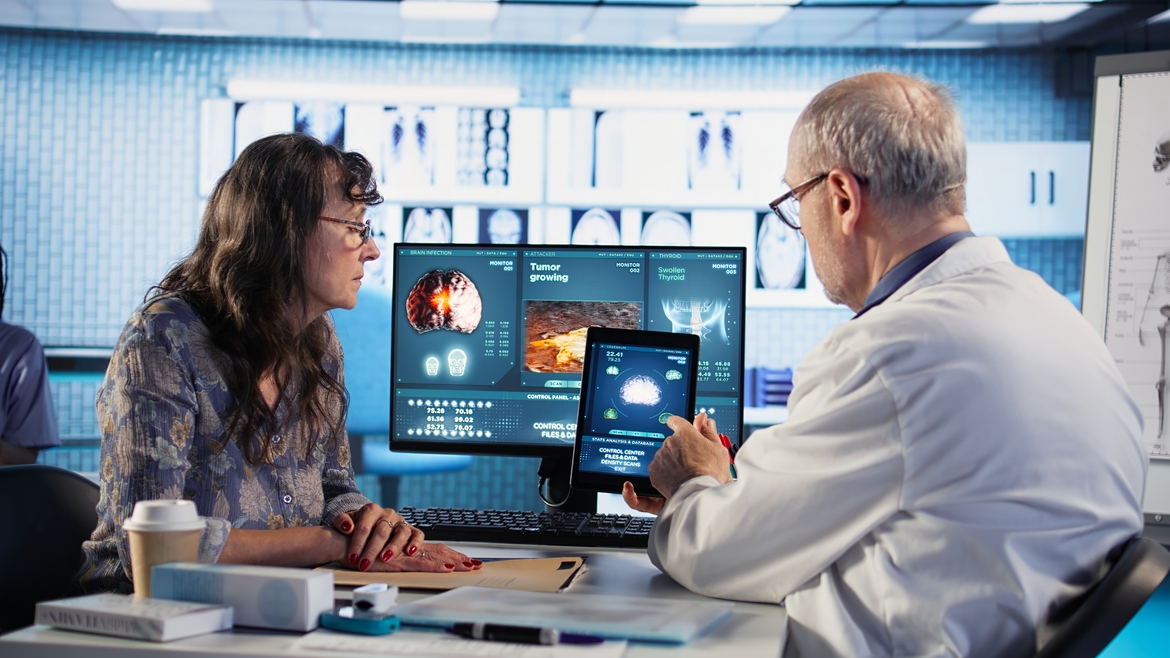

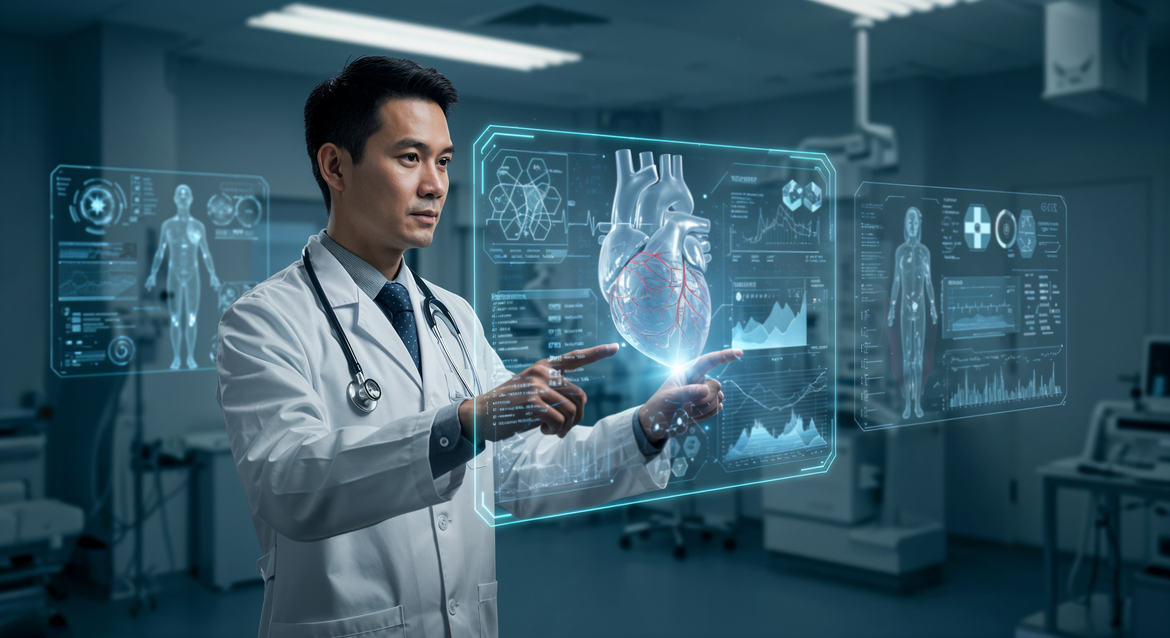
Healthcare is entering one of the most transformative eras in human history. What was once centered around in person appointments, paper records and slow manual processes is now evolving into a connected, data driven and intelligent digital ecosystem. The future of healthcare is no longer only about treating illnesses. It is about predicting risks, preventing disease and delivering personalized care that improves long term well being. With global digital health spending expected to cross six hundred billion dollars in the next few years, this shift is accelerating faster than ever.
Connected Healthcare Bringing Care Anywhere
Digital connectivity is becoming the backbone of modern healthcare. Wearables, mobile health apps and remote monitoring devices now allow patients to stay engaged with their health no matter where they are. More than one billion people currently use some form of wearable device, and this number continues to grow.
These tools can track:
- heart rate
- oxygen levels
- sleep cycles
- physical activity
- blood sugar levels
- stress patterns
Real time data flows directly to healthcare professionals, enabling early detection, faster decision making and continuous care outside traditional clinical settings. This connectivity dramatically improves outcomes for chronic conditions such as diabetes, heart disease and respiratory illnesses.
Personalized Treatment Powered by Data and AI
Personalized care is becoming one of the strongest pillars of future healthcare. With advancements in artificial intelligence and big data analytics, medical treatments can now be tailored to each individual based on their medical history, lifestyle, behavior patterns and even genetic data.
Research shows that personalized treatment plans can:
- reduce complications by up to thirty percent
- improve recovery times
- increase patient satisfaction
- lower overall treatment costs
Instead of one size fits all solutions, healthcare can now adapt to the individual, creating more meaningful and effective outcomes.
Smart Diagnostics Transforming Clinical Accuracy
AI driven diagnostic tools are becoming essential partners in modern healthcare. These intelligent systems can analyze scans, lab results and symptoms with exceptional accuracy. In some cases, AI can detect abnormalities in medical images earlier than the human eye.
AI supported diagnostics help clinicians:
- identify risks sooner
- reduce the chances of misdiagnosis
- make faster decisions
- manage larger patient volumes with better precision
This technology does not replace doctors. It enhances their effectiveness, allowing them to dedicate more time to compassionate, human centered care.
Smart Hospitals and Digital Workflows
Healthcare facilities are embracing smart infrastructure to streamline operations. Hospitals are integrating digital records, automated workflows, smart triage systems and AI powered scheduling tools to improve efficiency.
These innovations deliver:
- shorter waiting times
- faster patient processing
- improved coordination between departments
- fewer errors in documentation
- stronger security for medical data
With global hospital automation expected to grow rapidly, smart healthcare environments are becoming the new normal.
Telemedicine Expanding Access to Care
Telemedicine has moved from convenience to necessity. More than half of global patients used telehealth services after the pandemic, and usage remains strong today. Virtual consultations allow patients to access specialists without geographic limitations.
Benefits include:
- reduced travel barriers
- easier access for elderly patients
- support for remote and rural communities
- lower strain on clinic facilities
- faster follow up appointments
Telemedicine saves time, reduces costs and makes healthcare more accessible to everyone.
Predictive Healthcare and Early Intervention
Predictive analytics is shaping the next chapter of medical care. By analyzing large volumes of health data, AI models can forecast potential illnesses before symptoms appear.
Predictive healthcare can:
- lower treatment costs
- prevent chronic diseases
- encourage early lifestyle changes
- reduce hospital admissions
This shift from reactive care to proactive care has the potential to create healthier populations and reduce long term healthcare burdens.
Empowering Patients Through Digital Tools
Mobile health apps are giving patients more control over their daily health. Apps offer:
- medication reminders
- mental wellness support
- diet tracking
- fitness coaching
- symptom monitoring
This continuous guidance helps people stay engaged, informed and motivated to manage their well being. When combined with remote monitoring and telemedicine, digital tools extend healthcare far beyond the hospital.
Collaboration for a Smarter Healthcare Future
As innovation accelerates, strong collaboration among healthcare providers, researchers and technology companies becomes essential. Interoperable systems, secure data exchange and unified digital platforms are key to building smarter and safer care environments.
These partnerships support:
- better decision making
- improved patient safety
- faster medical breakthroughs
- greater access to care
A Human Centered, Predictive and Empowering Future
The future of healthcare is connected, personalized and smart. Technology will continue to expand what is possible, but the heart of healthcare will remain human. Connected systems keep patients engaged. Personalized treatments increase effectiveness. Smart tools improve accuracy. Predictive models prevent illness before it begins.
As healthcare becomes more intelligent and more accessible, individuals will be able to live healthier, longer and more fulfilling lives. Organizations that embrace this transformation today will shape the next era of global healthcare innovation.