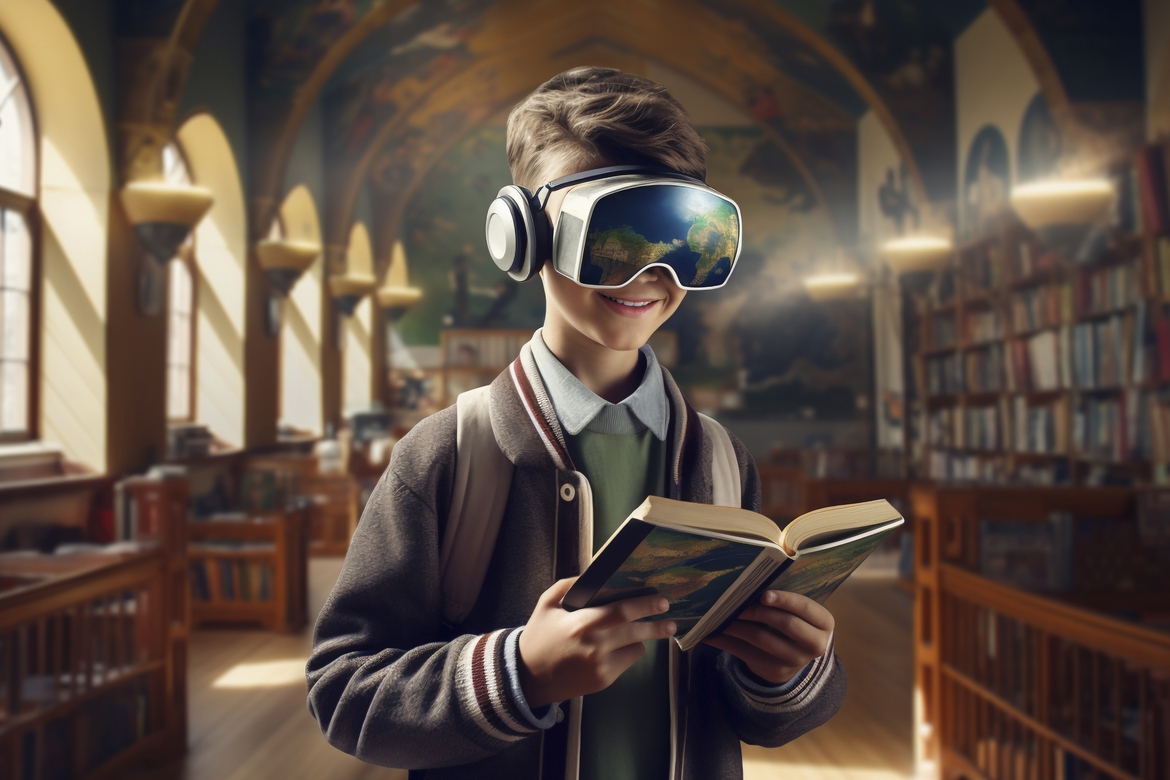

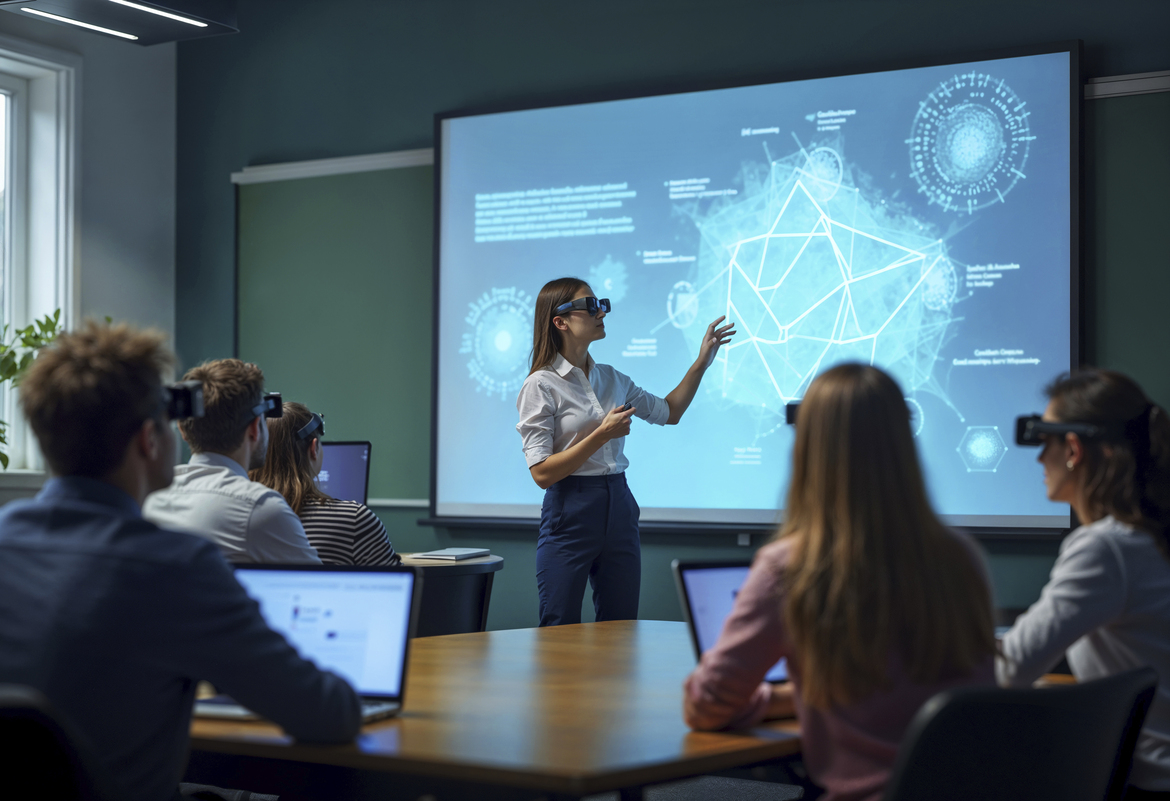
Education is entering a new era where digital tools are no longer optional. They are essential. Smart classrooms combine technology with traditional teaching to create learning spaces that are interactive, adaptable, and aligned with how students learn today. The global smart classroom market is growing rapidly and is expected to reach more than one hundred billion dollars by 2030 as schools adopt technology driven learning environments at scale.
A New Way of Learning for a New Generation
Smart classrooms use interactive whiteboards, tablets, learning apps, multimedia lessons, and real time content to make learning more engaging. Studies show that students learn up to forty percent faster when lessons include visuals, animations, and interactive elements. Modern learners respond better when concepts are shown, not just explained.
Digital simulations, virtual labs, and animated lessons simplify complex subjects, increase attention span, and make learning more memorable. Instead of passive listening, students participate actively, which leads to higher understanding and stronger retention.
Personalized Learning for Every Student
Every learner has a different pace, style, and level of understanding. Smart classrooms use learning management systems and analytics to track performance and tailor lessons accordingly. More than seventy percent of teachers say technology helps them personalize learning more effectively.
Students can:
- review lessons anytime
- follow custom learning paths
- get targeted support
- practice with instant feedback
This personalized approach boosts confidence and improves academic performance.
Stronger Collaboration Through Connected Tools
Smart classrooms redefine collaboration. Cloud based tools, shared online documents, live chats, and virtual group sessions enable students to work together inside and outside the classroom. Research shows that collaborative digital learning can increase student engagement by more than fifty percent.
Students can brainstorm, share ideas instantly, and participate in group projects even when they are not physically present. This prepares them for a digital first workplace where teamwork and communication are essential.
Smarter Assessments With Real Time Insights
Traditional evaluations are slow and often reactive. Smart classroom tools make assessments continuous and insightful. Teachers can track each student’s progress in real time, identify learning gaps immediately, and adjust teaching without waiting for term results.
Digital quizzes, automated grading, and performance dashboards save time and provide accurate insights. Schools using digital assessment tools report up to a thirty percent improvement in overall learning outcomes.
Seamless Hybrid and Remote Learning Support
Smart classrooms allow learning to continue anywhere. Students can join live classes, watch recorded lessons, access study materials, and submit assignments from home or school. During recent global disruptions, online and hybrid learning increased by more than two hundred percent, proving the long term importance of digitally enabled classrooms.
This flexibility supports learners who:
- need additional review
- miss classes due to illness
- live in remote areas
- require after school help
Smart classrooms ensure learning never stops.
Better Tools and Less Workload for Educators
Technology also empowers teachers. Automated attendance, digital lesson plans, cloud storage, and online assessments reduce manual tasks. A recent survey found that teachers save nearly three hours per week using digital tools for classroom management.
This allows educators to focus on mentoring, creativity, and building stronger relationships with students.
Balancing Technology With Human Teaching
For smart classrooms to succeed, technology must support teaching, not replace it. Strong infrastructure, cybersecurity, digital literacy training for teachers, and responsible guidelines for students are essential.
The goal is to enhance learning while preserving the human connection that makes education meaningful.
A Future Ready Education System
Smart classrooms are shaping a new generation of confident, curious, and tech savvy learners. By blending interactive tools with strong pedagogy, they encourage creativity, critical thinking, and digital fluency.
As education continues to evolve, smart classrooms will stand at the center of this transformation, creating learning experiences that are engaging, inclusive, and ready for the future.