

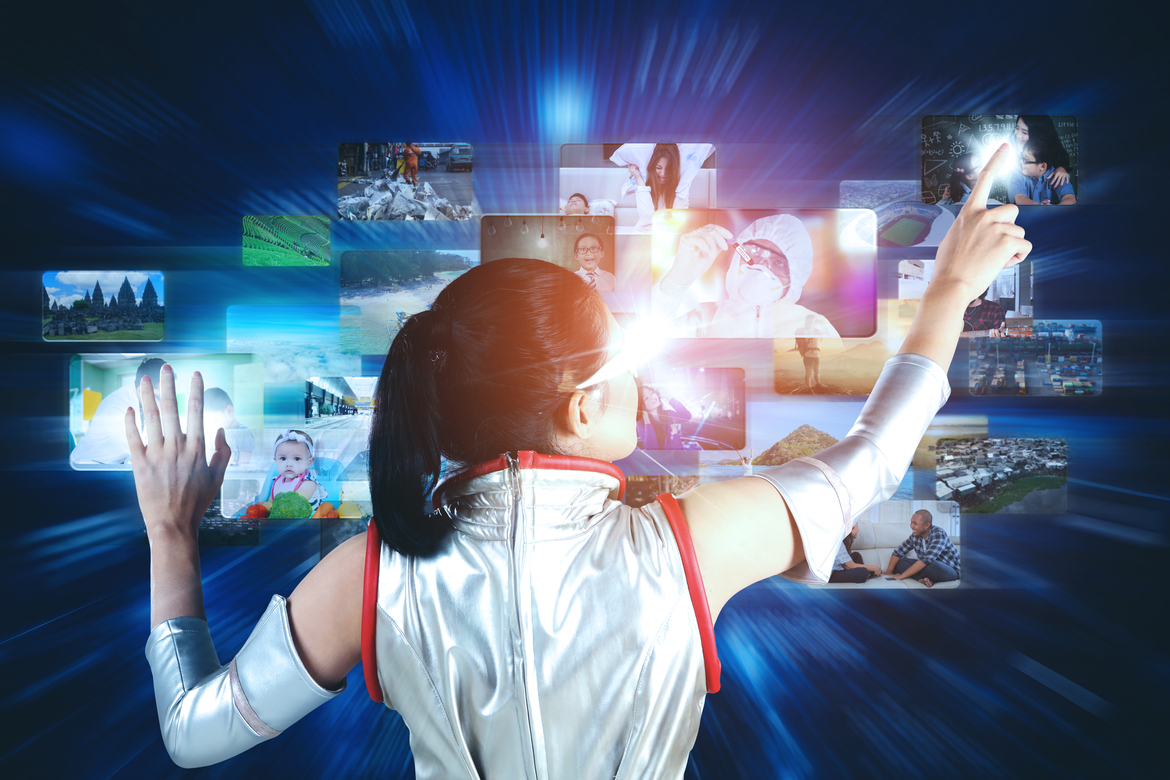
The media and entertainment industry trends of today are reshaping how the world consumes content. What once relied on broadcasting and physical distribution has evolved into a digital-first ecosystem where entertainment is available anytime, anywhere and on any device. With global digital media spending expected to exceed five hundred billion dollars by 2027, the industry is undergoing a rapid transformation driven by technology, creativity and shifting audience expectations.
Instead of relying solely on traditional channels, platforms now use immersive technologies, streaming services, real-time content formats and social media creators to capture attention. As innovation accelerates, media companies are reimagining how stories are told, how content is produced and how audiences connect across digital ecosystems.
The Rise of On-Demand Streaming
Streaming has become the foundation of modern entertainment, and the shift from scheduled viewing to on-demand access has completely changed viewer habits. Today, more than eight out of ten households in major markets subscribe to at least one streaming service, while global streaming revenue is projected to surpass four hundred billion dollars within the next few years.
Because audiences want instant access to movies, shows, music and live events, streaming platforms have expanded their offerings. They now invest heavily in:
- personalized recommendations
- multilingual catalogs
- exclusive originals
- global distribution strategies
With viewers spending more than six hours a day consuming digital content, streaming will continue to dominate the entertainment landscape.
Personalized Content Experiences
Personalization has become one of the strongest drivers of user engagement. Platforms increasingly rely on artificial intelligence and advanced analytics to understand viewing habits, preferences, watch time and search behavior. As a result:
- more than seventy percent of watched content comes from recommendations
- personalized suggestions can increase viewing time by up to thirty-five percent
- custom playlists significantly improve retention and reduce churn
Going forward, personalization will evolve into mood-based suggestions, context-aware experiences and interactive journeys that adapt to each viewer in real time.
Immersive Technologies Reshaping Entertainment
Virtual reality (VR), augmented reality (AR) and mixed reality (MR) are redefining what entertainment looks and feels like. These technologies allow users to explore new digital worlds, interact with characters and engage with environments in ways that extend far beyond traditional screens.
Today:
- the AR/VR market is expected to exceed two hundred billion dollars by 2030
- more than one hundred million people use AR features each month
- virtual concerts and VR gaming attract millions of participants
As devices become more affordable and software grows more advanced, immersive entertainment will shift from niche to mainstream, influencing movies, gaming and live events.
The Growth of Digital Gaming
Digital gaming has become one of the largest and most influential segments of entertainment. It is now a global industry generating more than two hundred fifty billion dollars annually and connecting millions of players around the world.
Key trends include:
- mobile gaming contributing nearly fifty percent of global gaming revenue
- cloud gaming removing the need for high-end consoles
- esports attracting audiences larger than many traditional sports
Competitive gaming has evolved into a professional ecosystem, with top players earning millions and global tournaments drawing massive viewership.
AI and Automation in Content Creation
Artificial intelligence is transforming how content is produced, edited and distributed. AI-powered tools automate repetitive tasks, enhance quality and accelerate production timelines.
Examples include:
- automated video editing
- AI-generated scripts
- enhanced audio processing
- intelligent subtitles and translations
- virtual characters and digital humans
In addition, streaming platforms use AI to reduce buffering, improve streaming quality and manage bandwidth during peak hours. As these technologies advance, AI will enable even more realistic digital worlds and interactive, dynamic story formats.
The Power of Social Media and Influencers
Social media has reshaped how entertainment is discovered, shared and consumed. Creator-led content now plays a central role in digital culture, with short-form videos, livestreams and interactive communities driving global trends.
The impact is substantial:
- more than 4.9 billion people use social media worldwide
- influencer marketing is projected to surpass twenty-five billion dollars
- short-form video platforms consistently achieve the highest engagement rates
Creators build loyal communities, influence purchasing behavior and shape cultural movements. As platforms expand monetization tools, more creators will earn significant revenue through subscriptions, digital products and branded partnerships.
Data-Driven Insights Shaping the Industry
Data analytics has become essential for predicting trends, optimizing content and understanding audience behavior. Media companies use real-time insights to determine:
- which shows to invest in
- the best release timelines
- strategies for reducing viewer churn
- where to expand geographically
Platforms that rely on data-driven decision making typically see much higher engagement and retention. As billions of data points are generated daily, analytics will continue to guide content development and distribution.
The Move Toward Global and Inclusive Content
Audiences increasingly crave diverse and global storytelling, and streaming platforms are responding with multilingual originals, regional content investments and inclusive casting.
Recent trends show:
- more than sixty percent of streaming viewers watch content outside their home region
- international shows often outperform local productions
- inclusive stories build stronger emotional connections and loyalty
Cultural diversity has become both a creative advantage and a strategic priority.
A Future Powered by Innovation
The future of media and entertainment is being defined by interactivity, personalization and immersive digital experiences. From AI-enhanced platforms and virtual environments to creator-driven ecosystems and global storytelling, the possibilities continue to expand.
Entertainment is no longer passive – it is interactive. It is personalized. It is community-driven.
As technology evolves, the next generation of digital experiences will bring audiences closer to stories, creators and each other in more meaningful and engaging ways than ever before.