
Logistics and supply chain management are entering a new era where technology, global connectivity and customer expectations are reshaping how products move across the world. In a marketplace where goods can cross continents within days, supply chains have evolved into strategic systems that drive efficiency, cost savings and customer satisfaction. With global logistics spending expected to reach more than ten trillion dollars by 2030, the importance of advanced supply chain solutions has never been greater.
Today supply chains are more than operational functions. They are strategic engines that strengthen business performance, cut costs, improve customer satisfaction and support global trade. Companies that master their supply chains gain a major competitive advantage through efficiency, transparency and resilience. With global logistics spending expected to reach more than ten trillion dollars by 2030, the industry has become one of the most essential pillars of modern commerce.
Connecting Global Markets with Seamless Movement
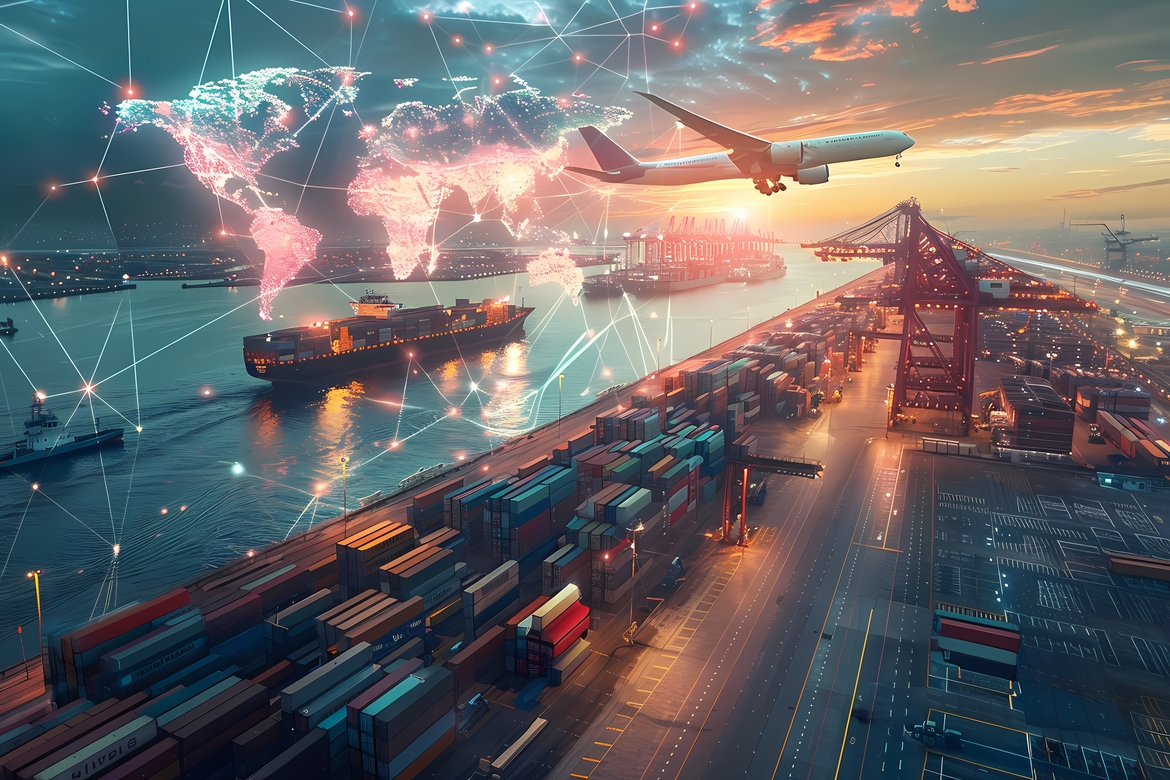
Modern logistics allows companies to operate without borders. A business can source raw materials from Asia, manufacture products in Europe and ship them to customers in North America with remarkable speed. This global interconnectedness has unlocked opportunities for innovation and economic growth.
A well coordinated supply chain ensures:
- consistent product availability
- reliable transportation routes
- optimized distribution networks
- smooth coordination between suppliers and partners
As digital commerce expands, logistics continues to play an essential role in connecting markets and driving global business growth.
The Rise of Digital Supply Chains
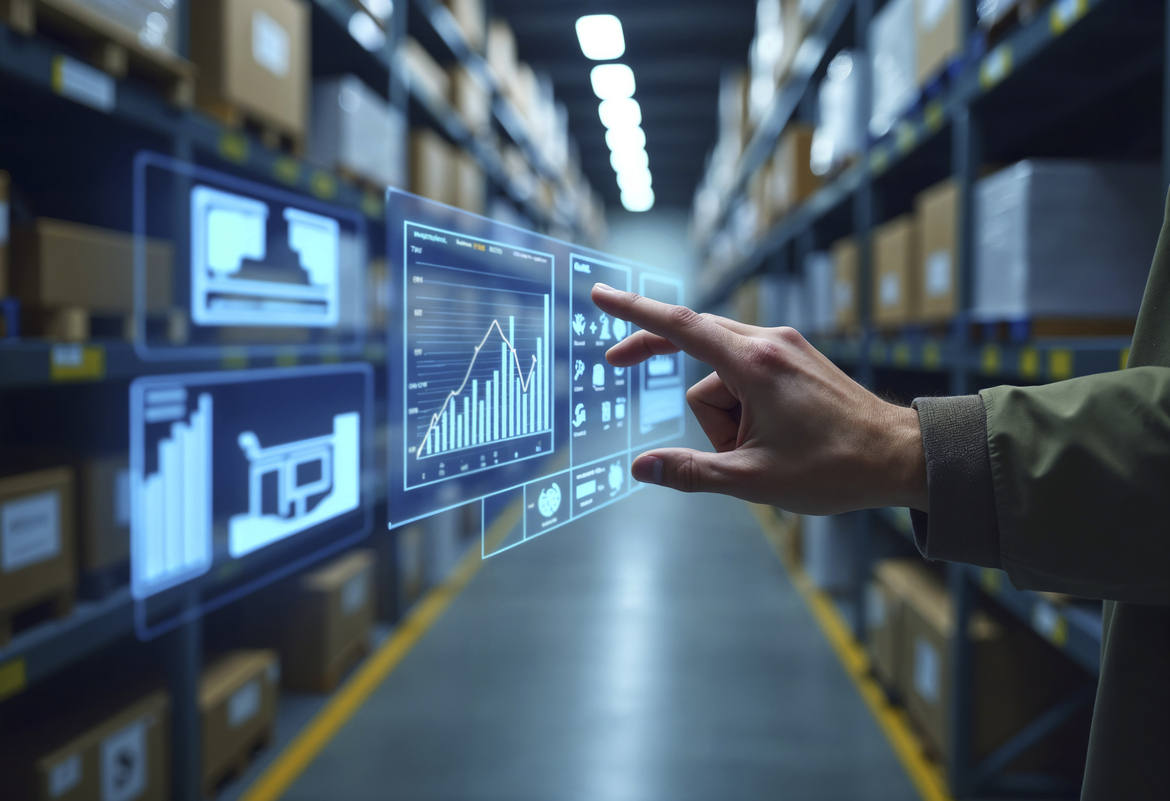
Technology is rapidly transforming traditional supply chains into smart digital ecosystems. More than seventy percent of companies have already begun adopting digital supply chain solutions, and the number continues to grow.
Digital supply chains leverage real time data and advanced tools to achieve greater accuracy and faster decisions. These include:
- cloud based supply chain platforms
- transport management software
- automated warehouses
- digital documentation systems
This transformation reduces delays, prevents manual errors and boosts operational efficiency across every stage of the supply chain.
Speed, Efficiency and Last Mile Delivery
Customer expectations have changed forever. Fast and reliable delivery is now a major factor in customer loyalty. Last mile delivery, the final step of getting a product to the customer, plays a crucial role in shaping the overall experience.
Consumers expect speed:
- more than eighty percent of shoppers prefer same day or next day delivery
- seventy percent say slow delivery negatively affects their shopping decisions
To meet these expectations, businesses rely on route optimization, micro warehouses, express delivery networks and real time tracking. Faster delivery strengthens trust and increases repeat purchases.
Automation and Robotics in Logistics
Automation is reshaping warehouses and distribution centers worldwide. Robotics and AI driven systems help companies handle large order volumes with impressive speed and accuracy.
Examples include:
- automated sorting machines
- robotic picking arms
- conveyor systems
- drones and autonomous vehicles
Automated warehouses can operate with minimal human intervention and significantly reduce operational costs. With global warehouse automation expected to surpass thirty billion dollars in market value soon, automation will continue to grow as a key driver of efficient logistics.
Real Time Visibility and Tracking
Both customers and businesses expect full transparency. Real time tracking provides instant updates about where a shipment is, when it will arrive and whether any issues may arise.
Visibility tools offer:
- accurate delivery timelines
- quick identification of delays
- improved customer confidence
- proactive risk management
Companies using real time visibility tools report nearly thirty percent better delivery performance and significantly fewer supply chain disruptions.
Data and Predictive Analytics Driving Smarter Planning
Data has become one of the most valuable assets in logistics. Predictive analytics helps businesses forecast demand, manage inventory and plan transportation more effectively.
These insights reduce:
- stockouts
- excess inventory
- wasted resources
- unnecessary costs
Organizations using advanced analytics can improve supply chain efficiency by up to twenty percent and respond more quickly to market changes.
Sustainability and Green Logistics
Sustainability is now a major priority for global businesses. Companies are shifting toward greener operations to reduce their environmental impact.
Sustainable logistics includes:
- electric delivery vehicles
- renewable powered warehouses
- recyclable packaging
- consolidated shipments
- smart routing to reduce fuel usage
More than sixty percent of consumers prefer brands that adopt eco friendly practices, making green logistics both an ethical and strategic advantage.
Building Resilient and Flexible Supply Chains
The past few years have highlighted the importance of resilience. Global disruptions, market shifts and natural challenges have pushed companies to build supply chains that can adapt quickly.
Resilient supply chains rely on:
- diversified suppliers
- multi region sourcing
- flexible logistics strategies
- emergency response planning
This flexibility ensures business continuity even during unexpected events and protects companies from costly disruptions.
A Future Built on Innovation and Global Connectivity
Logistics and supply chain management are entering a new era powered by digital platforms, automation, sustainability and intelligent analytics. The future will include smarter systems, real time optimization, autonomous transportation and deeper global connectivity.
Supply chains are not just support systems. They are the backbone of economic growth, global trade and technological progress. As global commerce expands, logistics will continue to power innovation and move goods across industries, borders and communities with greater speed and intelligence than ever before.