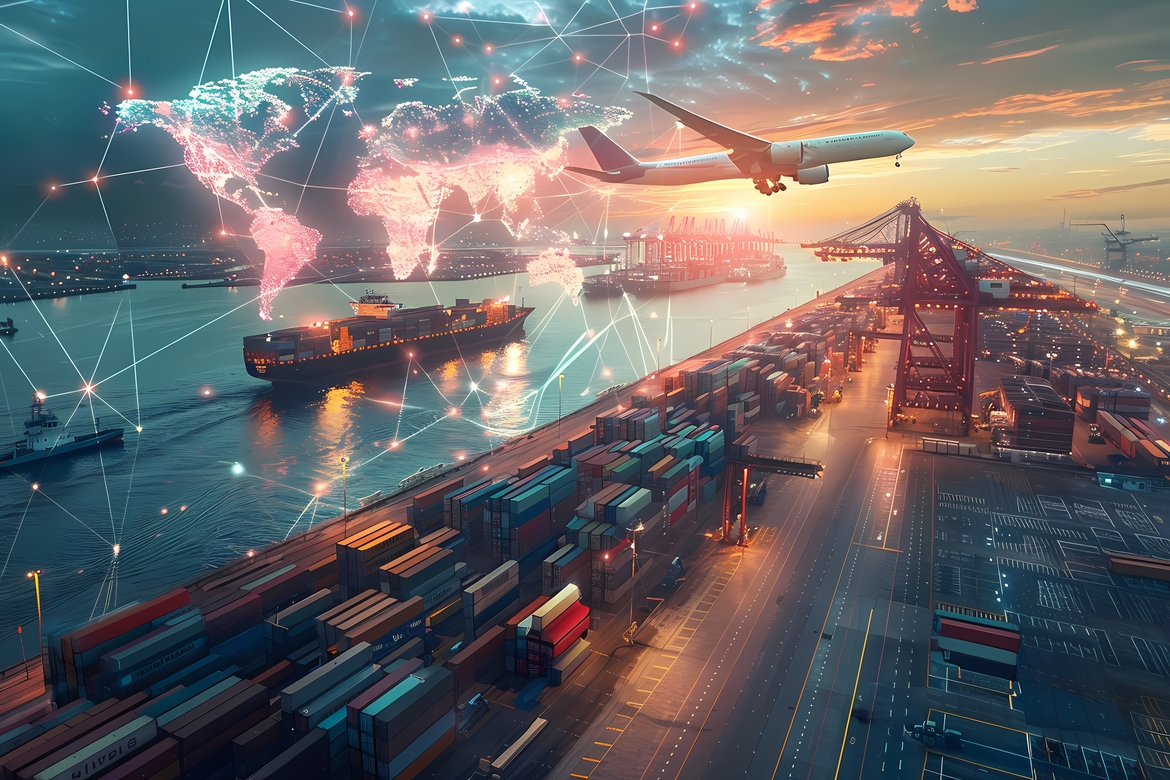

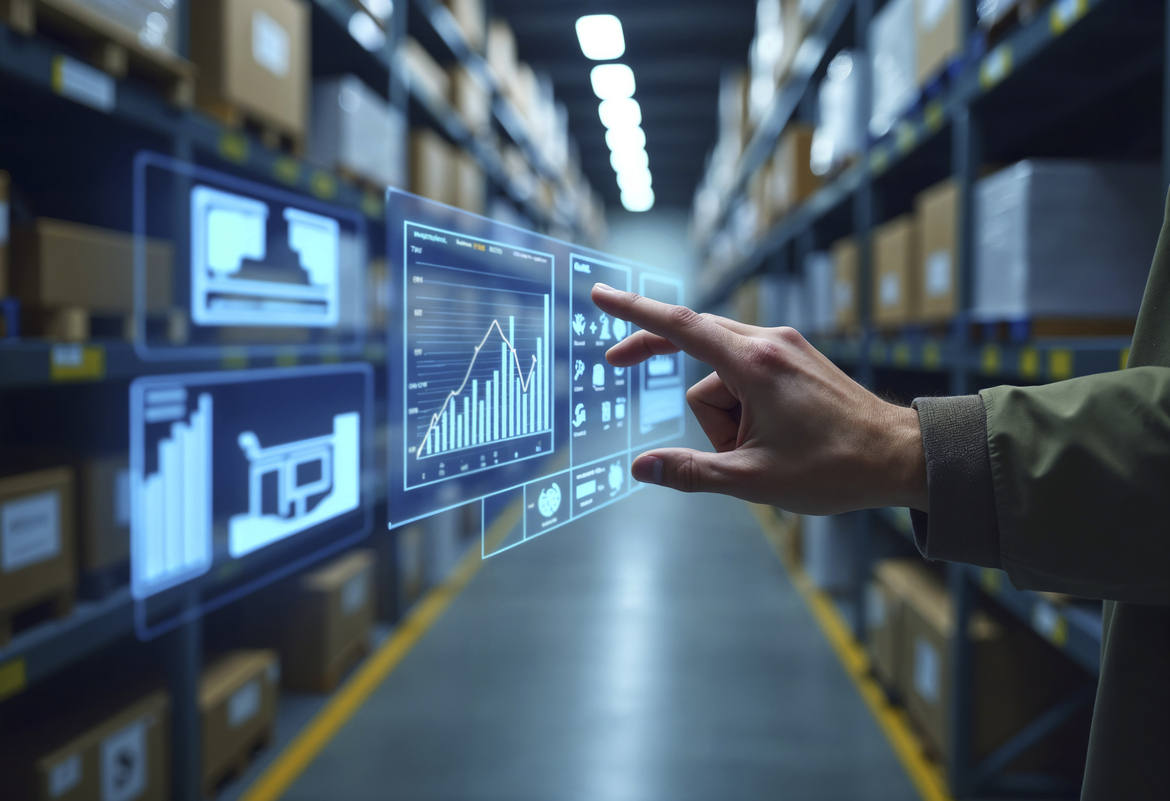
The supply chain industry is undergoing one of the most significant digital shifts in history as supply chain technologyreshapes how businesses manage logistics, planning and operations. Rapid advancements in automation, AI, blockchain and cloud platforms are replacing manual processes with intelligent, connected ecosystems. Modern supply chains now operate as adaptive smart networks capable of responding to demand changes in real time. With global supply chain technology spending projected to exceed one hundred billion dollars in the coming years, digital innovation is driving the next era of global commerce.
Automation Accelerating Speed and Accuracy
Automation is one of the biggest catalysts reshaping supply chain operations. Robotics, automated picking systems and high speed sorting machines reduce the need for labor intensive tasks and dramatically improve accuracy.
Key impacts include:
- faster order processing
- reduced human error
- lower operational cost
- consistent performance even under high volumes
Automated warehouses can handle thousands of orders per hour with remarkable precision. The global warehouse automation market is projected to grow at more than twelve percent annually, proving how essential automation has become. When paired with smart IoT devices, companies can monitor temperature, location and movement across the entire journey. This is crucial for pharmaceuticals, perishables and sensitive goods where real time monitoring ensures compliance and quality.
AI and Machine Learning Driving Predictive Intelligence
Artificial intelligence has become the new brain of the supply chain. AI powered analytics help companies forecast demand, anticipate risks and optimize inventory planning with far greater accuracy than traditional methods.
These capabilities enable:
- real time route optimization
- dynamic pricing
- proactive risk detection
- better demand forecasting
Research shows that AI can reduce supply chain forecasting errors by up to fifty percent and cut inventory costs by nearly twenty percent. Machine learning models identify hidden patterns in historical data, allowing businesses to plan smarter and respond faster. As supply chains generate more data than ever before, AI turns this information into actionable insights that strengthen decision making.
Blockchain Strengthening Trust and Traceability
Blockchain technology is transforming traceability, transparency and trust across logistics systems. With a secure and unchangeable record of every transaction, companies gain end to end visibility across sourcing, manufacturing and distribution.
Blockchain helps:
- prevent fraud
- improve regulatory compliance
- ensure product authenticity
- enhance supplier accountability
Industries such as food, healthcare and luxury goods rely heavily on traceability. Studies show that more than seventy percent of consumers prefer brands that offer clear insights into sourcing and product origin. Blockchain ensures this level of transparency with accuracy and confidence.
Cloud Platforms Enabling Seamless Collaboration
Cloud technology has become the backbone of modern supply chain operations. Cloud based supply chain platforms allow organizations to manage vendors, warehouses, transport partners and global operations from a single integrated dashboard.
Benefits include:
- faster information flow
- fewer operational silos
- improved collaboration across teams
- support for remote workforce management
More than ninety percent of supply chain leaders say cloud adoption has improved resilience and agility. When integrated with ERP and logistics systems, cloud platforms allow companies to respond quickly to disruptions caused by political changes, natural disasters or sudden demand spikes.
Advanced Analytics and Digital Twins Powering Smarter Planning
Advanced analytics and digital twins are reshaping how organizations plan and simulate supply chain operations. A digital twin is a virtual replica of a real world supply network that allows companies to test scenarios before implementing them.
This technology enables businesses to:
- predict risks
- optimize routes
- reduce waste
- strengthen resilience
Analysts predict that more than three quarters of large enterprises will use digital twins in their supply chain within the next few years. Simulation based planning helps companies stay agile in a world where disruptions are becoming more common.
Technology as a Foundation for Future Competitiveness
Technology is no longer optional in supply chain management. It has become a foundational element for staying competitive. Organizations that embrace digital transformation experience faster delivery times, stronger visibility, lower costs and more reliable operations.
The future of supply chain lies in intelligent automation, transparent systems and data driven decision making. As global commerce continues to evolve, technology will remain the engine that powers supply chains with precision, speed and resilience.