

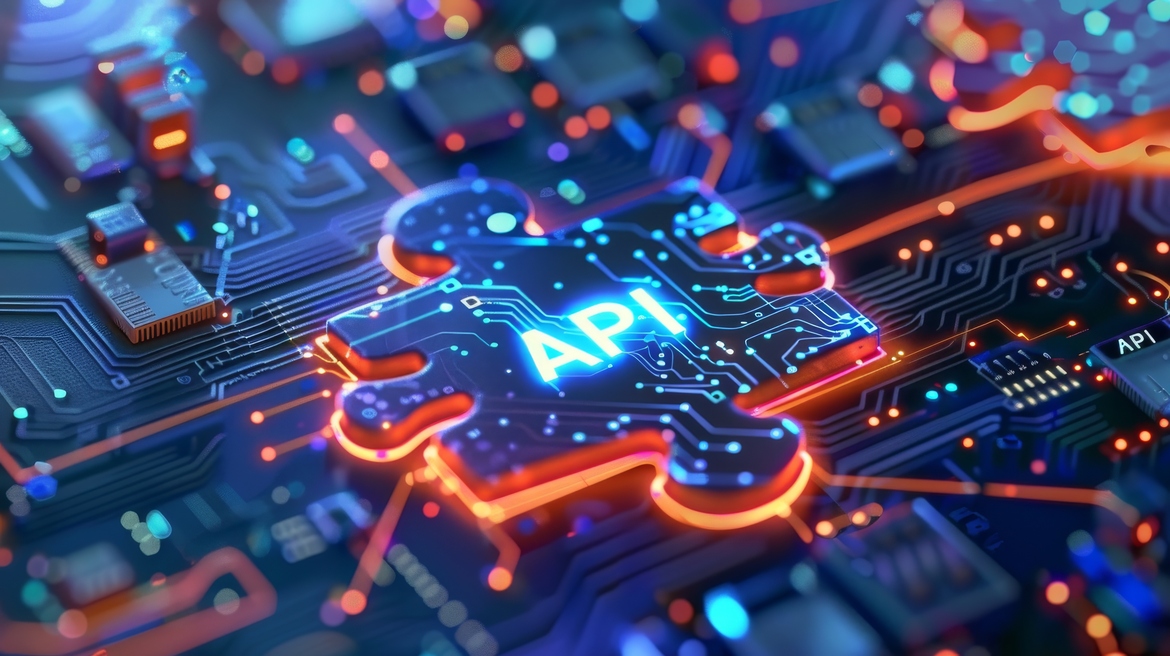
API Development and Integration Services are essential in today’s digital ecosystem, where businesses use multiple tools to manage operations, customers, payments, marketing and analytics. But when these tools don’t communicate with each other, teams waste time switching platforms, duplicating data and dealing with errors.
This is where API development and integration services become essential. APIs act like digital bridges that connect different systems so they work together smoothly. In 2025, when businesses rely heavily on cloud platforms, automation and mobile apps, API integrations are critical for building fast, efficient and scalable digital workflows.
This guide explains APIs in simple, non technical language so anyone can understand how they work and why they matter.
What Are APIs
API stands for Application Programming Interface.
In simple terms:
An API allows one software to talk to another.
It passes data and actions between platforms.
It connects tools so everything works as one system.
You interact with APIs daily:
- booking rides on apps
- paying via payment gateways
- logging in with Google or Facebook
- receiving real time alerts
- using food delivery apps
APIs silently power all modern digital experiences.
What Are API Development and Integration Services
These services involve:
- building custom APIs
- connecting existing platforms
- integrating third party tools
- automating workflows
- syncing data across systems
The goal is to eliminate manual work and create seamless data flow.
Why API Services Matter in 2025
1. Seamless Digital Experience
Modern businesses use many platforms. APIs connect them into one unified system.
2. Saves Time and Money
Automation can cut manual work by 40 to 70 percent, reducing labor costs.
3. Better Data Accuracy
APIs reduce errors caused by manual entry and data duplication.
4. Faster Innovation
New features, tools and systems can be added quickly without major changes.
5. Enables Scalability
APIs let businesses grow smoothly by connecting new apps, tools or teams.
6. Essential for Cloud and Mobile Apps
Every cloud platform and mobile app relies on strong API connections.
7. Improved Customer Experience
Customers get faster responses, smoother workflows and real time updates.
Types of API Development and Integration Services
1. Custom API Development
Creating APIs from scratch to connect your internal systems.
2. Third Party API Integration
Integrating external platforms like:
- payment gateways
- CRMs
- ERP systems
- marketing tools
- shipping partners
- AI services
3. REST and GraphQL API Development
Building modern, secure and scalable APIs.
4. API Automation Services
Automating repetitive workflows using connected systems.
5. Microservices Based API Development
Breaking large systems into smaller services for better performance.
6. API Testing and Security
Ensuring APIs are fast, secure and error free.
7. Legacy System Integration
Connecting older software with modern cloud platforms.
Examples of Common API Integrations
- Razorpay, Stripe or PayPal payment gateways
- WhatsApp or SMS notification APIs
- Google Maps or location APIs
- Shipping APIs like Delhivery or Shiprocket
- CRM APIs like HubSpot or Zoho
- ERP integrations like SAP or Oracle
- Marketing tools like Mailchimp
- Social media login APIs
- AI and chatbot APIs
APIs turn individual tools into a powerful connected ecosystem.
What These Services Usually Include
1. Requirement Analysis
Understanding what systems need to communicate.
2. API Architecture Planning
Designing scalable, secure and high performance API structures.
3. Development
Building endpoints, logic flows and data formats.
4. Integration
Connecting internal or third party systems.
5. Security Implementation
Adding:
- encryption
- authentication
- API keys
- role based access
6. Testing
Checking performance, speed, load handling and error responses.
7. Documentation
Clear API documentation for developers and teams.
8. Maintenance and Monitoring
Ensuring APIs stay fast, secure and reliable.
Key Benefits of API Development and Integration
- improved efficiency
- reduced operational cost
- seamless data flow
- enhanced customer experience
- faster digital innovation
- stronger scalability
- real time insights
- automation ready workflows
APIs make businesses run smoother and faster.
Industries Using API Solutions in 2025
- ecommerce
- fintech and banking
- healthcare
- logistics
- SaaS products
- travel and hospitality
- education
- real estate
- media and entertainment
Any industry that uses multiple digital tools benefits from APIs.
How Much Do API Development and Integration Services Cost in 2025
Pricing depends on complexity and platforms to integrate.
Basic API Integration
Simple third party integration
20,000 to 80,000 INR
Custom API Development
Custom endpoints and workflows
80,000 to 3 lakh INR
Enterprise Grade API Solutions
Multiple systems, automation, high security
3 lakh INR and above
Common Mistakes Businesses Make
- unclear system requirements
- ignoring API security
- slow and unoptimized APIs
- poor documentation
- choosing outdated tech
- not planning for future scalability
Fixing these ensures stronger long term performance.
Who Should Choose API Development Services
- businesses with disconnected systems
- companies moving to cloud
- ecommerce brands needing smooth integrations
- service companies automating workflows
- enterprises modernizing legacy software
- SaaS products requiring multi platform connections
If your tools don’t talk to each other, API services are the right solution.
Conclusion
API Development and Integration Services help businesses connect tools, automate workflows and create seamless digital experiences. In 2025, when modern companies rely heavily on cloud systems and mobile apps, APIs are the backbone of efficient digital operations.
With the right API strategy, businesses can improve productivity, reduce costs and build scalable systems that support long term growth.