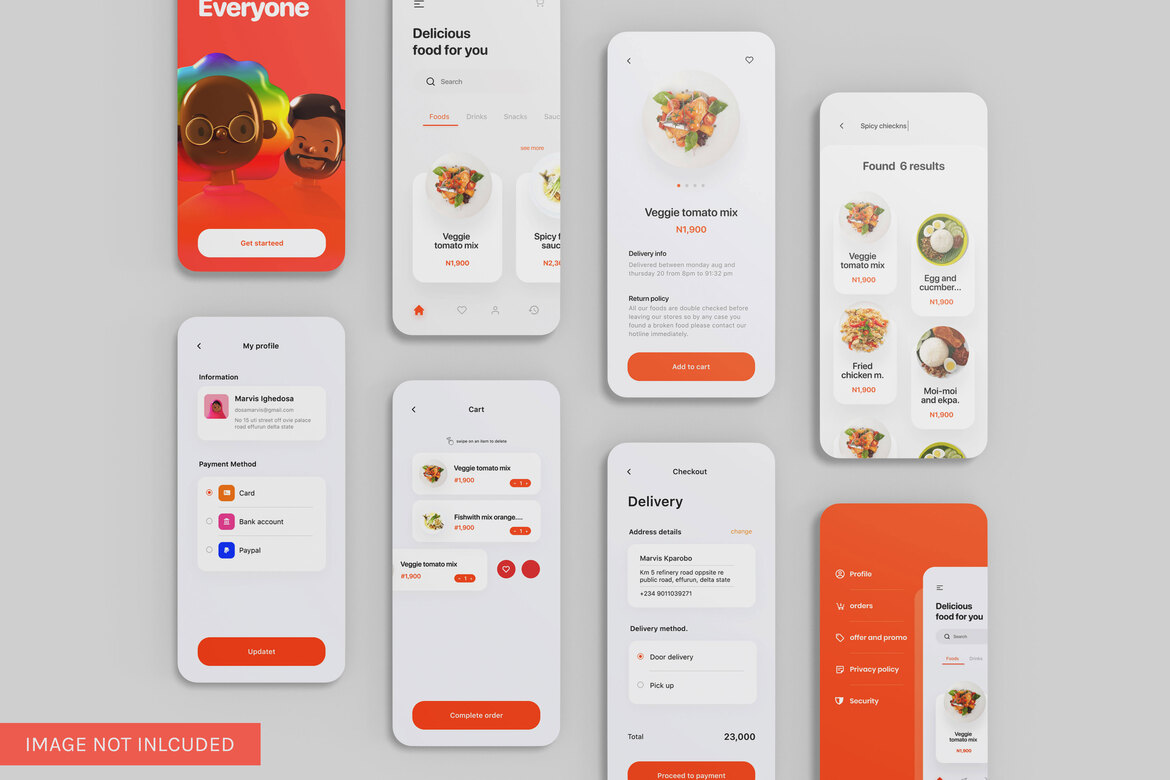

Android app development has become essential in 2025 as the platform powers more than 72% of the global mobile market. Android isn’t just a mobile operating system. It’s the world’s largest digital gateway – powering everything from smartphones and tablets to TVs, wearable devices, cars, and even smart appliances. In 2025, Android holds more than 72% of the global mobile market, making it the most influential platform for businesses that want reach, scale, and long-term growth.
Whether you’re launching a new startup idea or building an enterprise-grade app, Android development gives you access to billions of users, massive customization options, and unmatched flexibility.
This is your simple, non-technical guide to Android app development – written in a clean, journalistic tone with stats and insights that matter to modern businesses.
Why Android Dominates the Market – The Stats Tell the Story
1. 3.9 billion monthly active Android devices
From flagship phones to budget devices, Android has the widest global penetration.
2. 72% global market share
Android is the default OS for most of the world.
3. 111 billion app downloads from Google Play in a single year
Users are continuously installing and exploring new apps.
4. Android is available in 190+ countries
This makes it the most accessible platform for global businesses.
5. More affordable development compared to iOS
Android’s open ecosystem allows more flexibility, third-party tools, and cost-efficient builds.
Android’s scale isn’t slowing down — it’s expanding into new categories like foldables, smart TVs, and in-car entertainment systems.
What Is Android App Development – The Simple Explanation
Android app development is the process of creating applications for devices running the Android operating system.
Developers typically use:
- Kotlin (Google’s recommended language)
- Java
- Jetpack Compose for UI
- Android Studio (Google’s official IDE)
But you don’t need to know these details.
What matters is what Android allows businesses to build:
- Apps that reach billions
- Apps with deep device integration
- Apps with custom features and branding
- Apps that scale across hundreds of device types
Android development is popular because it gives companies complete control over design, functionality, performance, and distribution.
Why Businesses Choose Android App Development in 2025
1. Massive Global Reach
Android users come from every demographic — from high-end smartphone buyers to budget phone users.
If your goal is scale, Android is the most powerful platform.
2. Highly Customizable
Android allows deeper access to device features like:
- GPS
- Camera
- NFC
- Bluetooth
- Sensors
- Background services
This makes it ideal for businesses needing advanced features.
3. Cost-Effective Development
Android offers more open-source tools, reducing overall development cost for startups and SMBs.
4. Faster App Publishing
Google Play’s review process is faster and less restrictive than Apple’s App Store.
5. Perfect for Emerging Markets
Countries like India, Indonesia, Brazil, Mexico, Africa, and Southeast Asia rely heavily on Android.
This makes it essential for global expansion.
What Types of Apps Are Perfect for Android Development?
1. E-Commerce Apps
Shopping, product discovery, and digital payments.
2. On-Demand Apps
Food delivery, cab booking, home services.
3. Finance & Banking Apps
Wallets, investment tools, secure banking apps.
4. Healthcare Apps
Tracking, consultations, hospital systems.
5. EdTech & Learning Apps
Courses, quizzes, virtual classrooms.
6. Social & Community Platforms
Chats, forums, content networks.
7. Enterprise Solutions
Workforce apps, dashboards, approvals, inventory management.
If your app serves a wide audience or relies on device-level features, Android is the ideal platform.
Key Features of Successful Android Apps
1. Clean, Modern UI with Material Design
Google’s Material Design guidelines ensure apps look polished and intuitive.
2. Fast Loading Times
Speed affects retention — even a 1-second delay can reduce conversions by 7%.
3. Offline Functionality
Android apps often support caching or partial offline use.
4. Smart Navigation
Bottom menus, gesture controls, and smooth transitions.
5. Compatibility Across Devices
Optimizing for phones, tablets, foldables, and smart devices.
6. Security and Privacy
Encryption, secure logins, app permissions, and safe data storage.
Native Android Development vs Cross-Platform Development
| Feature | Native Android | Cross-Platform (Flutter, React Native) |
|---|---|---|
| Performance | Best | High |
| Cost | Higher | Lower |
| Development speed | Moderate | Faster |
| Access to hardware | Full | Partial / Bridged |
| Ideal for | Complex apps | MVPs, business apps |
Native Android apps excel in performance, stability, and hardware-level features — making them the best choice for apps requiring speed or complex functions.
Trends Shaping Android App Development in 2025
1. AI-Driven Personalization
Apps now adapt to user behavior automatically.
2. Foldable Phone Interfaces
Designs optimized for dual screens and flexible layouts.
3. IoT and Wearable Integration
Android apps are powering smart devices across homes and workplaces.
4. Voice-Enabled Experiences
Google Assistant integration is becoming common.
5. Jetpack Compose UI
The new UI toolkit that speeds up design and development.
6. Secure Login Systems
Biometrics, face unlock, fingerprint scanners.
These trends show how Android continues to push technological innovation.
Benefits of Investing in Android App Development
- Broadest global user base
- High performance and reliability
- Strong security features
- Freedom for custom UI/UX
- Easy third-party integration
- Open-source flexibility
- Strong developer community
For businesses aiming for long-term growth, no platform offers a wider, more loyal user base than Android.
Final Verdict – Is Android App Development Worth It?
Absolutely.
Android is the most accessible, scalable, and powerful mobile platform in the world. Whether you’re building an MVP or a full enterprise system, Android gives you:
- maximum reach
- flexible designs
- strong device integration
- fast expansion opportunities
- long-term scalability
If your business wants to succeed in a mobile-first economy, Android development should be a core part of your digital strategy.