
CMS and headless solutions power the modern digital experience across websites, mobile apps, and multi-device platforms. Whether you’re running an e-commerce store, a SaaS platform, or a corporate website, the way you manage and deliver content impacts everything – speed, SEO, user experience, and conversions. With more users accessing content across mobile, desktop, apps, smart TVs, and even wearable devices, traditional content systems often fall short.
That’s where modern CMS and headless solutions come in. They offer the freedom, flexibility, and performance needed to deliver content anywhere, at any time, on any device.
This guide explains CMS and headless architecture in simple, non-technical language – backed by stats and insights to help businesses make the right choice.
What Is a CMS?
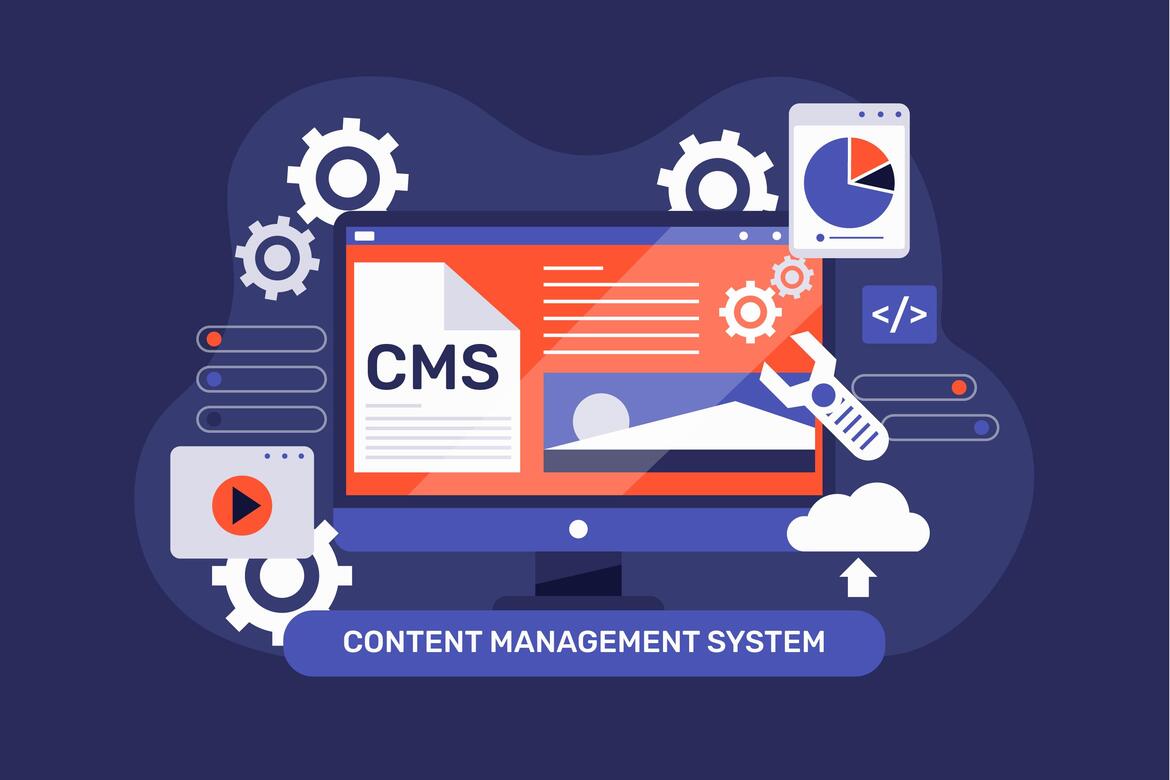
A CMS (Content Management System) is a platform that allows you to create, edit, and publish content without needing technical coding skills.
Popular CMS platforms include:
- WordPress
- Drupal
- Joomla
- Shopify (for e-commerce)
A CMS combines:
- a backend (where you manage content)
- a frontend (what users see)
It’s easy to use and perfect for businesses that want quick updates and simple workflows.
What Is a Headless CMS?
A headless CMS separates the backend (content storage) from the frontend (where the content is displayed).
In simple terms:
A headless CMS manages content in one place and delivers it anywhere using APIs.
This makes it ideal for businesses that want:
- websites
- mobile apps
- smart devices
- digital kiosks
- multi-language or multi-brand setups
all powered by the same content source.
Popular headless CMS systems include:
- Strapi
- Contentful
- Sanity
- Headless WordPress
- Hygraph
Why CMS & Headless Solutions Are Growing – The Stats Show It All
1. 79% of websites use a CMS
Traditional CMS platforms continue to dominate.
2. Headless CMS usage grew by over 25% in the past year
Companies are adopting headless systems for flexibility and performance.
3. 50% of enterprise brands are switching to headless architecture by 2026
Digital transformation demands scalable content solutions.
4. 68% of marketers say headless CMS improves content speed and workflows
Faster updates mean faster campaigns.
5. Websites using headless CMS load up to 40% faster
Speed directly boosts SEO and conversions.
The surge in multi-device browsing is making headless systems one of the fastest-growing technologies in modern web development.
Benefits of Traditional CMS for Businesses
Traditional CMS platforms like WordPress remain popular because they offer:
1. Easy Content Editing
Anyone can update pages, blogs, or products without coding.
2. Affordable Setup
Perfect for small and medium businesses.
3. Large Plugin Ecosystems
Add forms, SEO tools, e-commerce features, and more.
4. Fast Launch Time
Ideal for businesses that want quick website deployment.
5. Huge Community Support
Themes, plugins, tutorials, and resources everywhere.
A CMS is best when you want simplicity and speed without complex customization.
Benefits of Headless Solutions for Growing Brands
1. Fast, Modern Performance
Headless sites load extremely fast, which improves user experience and SEO.
2. Omnichannel Content Delivery
One source of content powers multiple channels like:
- websites
- apps
- digital displays
- IoT devices
3. Higher Security
No direct connection between backend and frontend reduces security risks.
4. Full Design Freedom
Developers can use modern frontend frameworks like React, Vue, or Next.js.
5. Better Scalability
Perfect for high-traffic websites and enterprise setups.
6. Future-Proof Architecture
Easily integrate new platforms and technologies as your business grows.
CMS vs Headless – A Clear Comparison
| Feature | Traditional CMS | Headless CMS |
|---|---|---|
| Ease of use | Very easy | Moderate |
| Customization | Limited | Very high |
| Performance | Good | Excellent |
| Multi-device delivery | Limited | Strong |
| Security | Moderate | High |
| Speed | Moderate | Fast |
| Ideal for | Blogs, small sites, basic businesses | High-traffic, apps, enterprise systems |
Both have advantages – the right choice depends on your business needs.
Best Use Cases for CMS Platforms
Traditional CMS is ideal for:
✔ Small businesses
✔ Portfolio websites
✔ Blogs and content-heavy sites
✔ Basic e-commerce stores
✔ Landing pages
✔ Brochure websites
If you want simplicity, speed, and affordability, a CMS is perfect.
Best Use Cases for Headless Solutions
Headless CMS is perfect for:
✔ Large websites
✔ SaaS platforms
✔ Multi-site or multi-brand companies
✔ E-commerce with custom flows
✔ Mobile apps + web apps
✔ Global businesses with multi-language needs
✔ High-performance content delivery
If you need scalability and flexibility, headless is the smarter choice.
Why Headless CMS Is Trending in 2025
1. Faster load speeds
Improves SEO and user retention.
2. Developer-friendly
Supports modern frameworks and tools.
3. Better omnichannel delivery
Content distributed across every digital touchpoint.
4. Great for personalization
Dynamic content that adapts to each user.
5. Stronger analytics and integrations
Connects with CRMs, marketing platforms, and automation tools.
How CMS & Headless Solutions Impact SEO
SEO becomes stronger with:
- clean code
- fast performance
- structured content
- mobile optimization
- improved Core Web Vitals
- flexible metadata management
Headless sites often outperform traditional CMS platforms when speed and SEO are priorities.
Steps to Choose the Right Solution
1. Define Your Business Needs
Basic website or complex multi-channel system?
2. Evaluate Content Workflows
Who updates content and how often?
3. Consider Performance Requirements
Do you expect high traffic?
4. Assess Integration Needs
APIs, CRMs, e-commerce, apps?
5. Review Budget and Timeline
CMS is cheaper. Headless is long-term value.
Final Verdict – CMS or Headless? Which Is Better?
Both are powerful – it depends on your goals.
Choose CMS if you want:
- quick setup
- simple content management
- cost-effective development
Choose Headless if you want:
- high performance
- multi-device content
- custom designs
- enterprise-level scalability
- future-proof technology
In 2025, more brands are adopting a hybrid approach – using a CMS as a content hub and a modern frontend for performance.