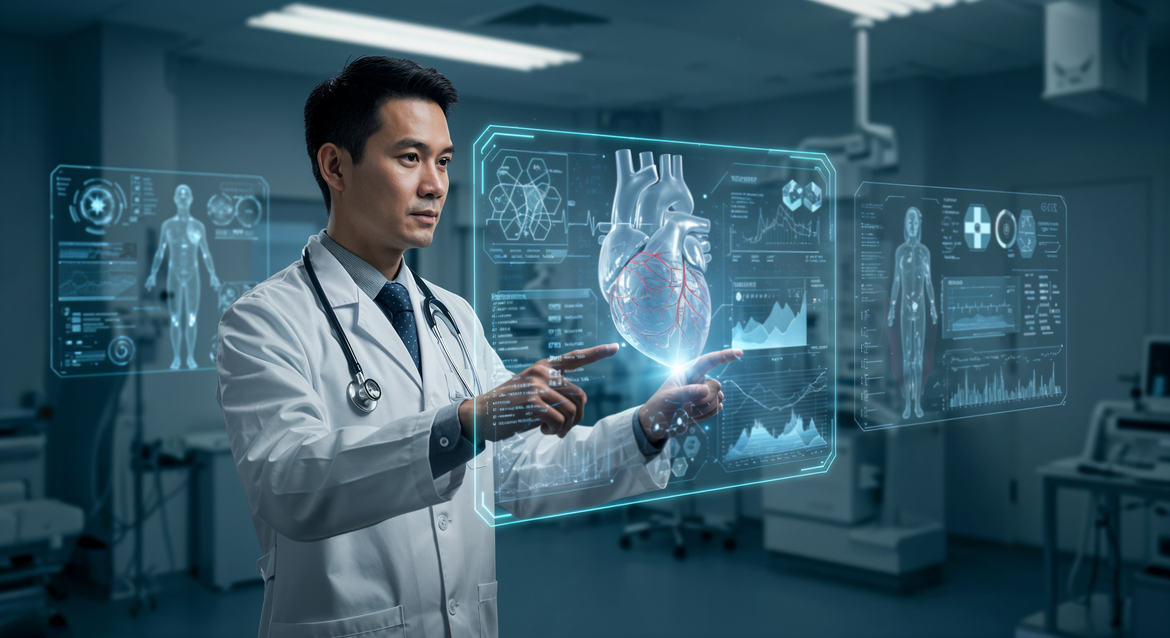


Data security has become one of the most urgent priorities in modern healthcare. As hospitals, clinics and digital health platforms move away from paper records and adopt digital systems, the amount of sensitive patient information stored online has grown at an unprecedented rate. Medical history, diagnoses, prescriptions, insurance details and real time health data from connected devices now exist in digital form. Protecting this information is essential not only for maintaining patient trust but also for ensuring the stability and safety of healthcare operations. With global healthcare cyberattacks rising by more than forty percent in recent years, the need for strong security has never been greater.
Why Healthcare Data Is a Prime Target
Healthcare data is one of the most valuable types of digital information. Because it contains personal, medical and financial details, cybercriminals often target medical systems for identity theft, insurance fraud and illegal transactions. Reports show that stolen healthcare records can sell for up to ten times more than credit card data on the dark web.
A single breach can expose thousands of patient records, resulting in:
- severe financial losses
- legal consequences
- operational shutdowns
- long term reputational damage
This is why strong data protection is not optional. It is a fundamental requirement for every healthcare organization.
The Sensitivity of Medical Information
Unlike many other industries, healthcare handles deeply personal data that cannot be changed easily. Passwords and credit cards can be replaced, but medical conditions, genetic information and biometric details remain constant for life.
If compromised, this information can affect patients for years, leading to:
- privacy invasion
- discrimination risks
- long term identity misuse
Robust security ensures that sensitive information remains confidential and accessible only to authorized individuals.
Growing Digital Adoption Means Growing Risk
Digital transformation is reshaping healthcare, but it also expands the attack surface. Electronic health records, cloud platforms, mobile apps and connected devices improve efficiency, yet each system becomes a potential entry point for cyber threats if not secured properly.
Today’s medical environment relies on:
- remote monitoring devices
- cloud based data storage
- electronic prescriptions
- interconnected diagnostic tools
Without proper safeguards, these technologies can increase vulnerability. This makes strong encryption, frequent updates, multi factor authentication and continuous monitoring essential for safety.
Regulatory Standards Protecting Patient Information
Healthcare organizations must comply with strict rules designed to safeguard data privacy. These regulations require:
- maintaining data integrity
- preventing unauthorized access
- documenting and reporting breaches quickly
- implementing strict security frameworks
Failure to follow these guidelines can result in high penalties and loss of public trust. Strong security practices demonstrate an organization’s commitment to protecting its patients and maintaining operational integrity.
Security Ensures Continuity of Care
Cyberattacks can bring healthcare operations to a standstill. Ransomware attacks, for example, can lock access to critical systems, preventing doctors from viewing patient records, lab results or treatment schedules.
This can lead to:
- delayed emergency care
- canceled procedures
- disrupted clinical workflows
Reliable data security helps ensure that healthcare systems remain available and functional, even when threats arise. Continuity of care depends on uninterrupted access to accurate information.
Human Error Remains a Major Risk
Despite advanced technology, human error is still one of the leading causes of data breaches. Mistakes such as clicking phishing links, using weak passwords or accidentally sharing information can compromise entire systems.
Strong security requires:
- regular staff training
- clear internal policies
- awareness programs
- reminders about best practices
Educating healthcare workers helps prevent avoidable breaches and strengthens overall system resilience.
AI and Automation Enhancing Cyber Defense
As threats become more advanced, healthcare organizations are turning to artificial intelligence and automation to protect their systems. AI tools can detect unusual behavior, identify vulnerabilities and respond to attacks faster than traditional methods.
These technologies help:
- predict threats
- reduce response time
- analyze suspicious activity
- block attacks in real time
This proactive approach makes healthcare systems more secure and better prepared for emerging cyber risks.
A Foundation for Trust and Modern Healthcare
Data security is the backbone of digital healthcare. It protects patient privacy, keeps systems operational and ensures that healthcare providers can deliver safe, high quality care without disruption. As digital transformation accelerates, strong security measures will continue to be essential for building a safer, more reliable and more resilient healthcare ecosystem.
Data security is not just a technical responsibility. It is a commitment to patients that their personal information will always be handled with respect, care and the highest level of protection. As healthcare continues to evolve, safeguarding data will remain one of the most important promises every healthcare organization must uphold.